
– by Jonathan Dawson, Economics For Transition
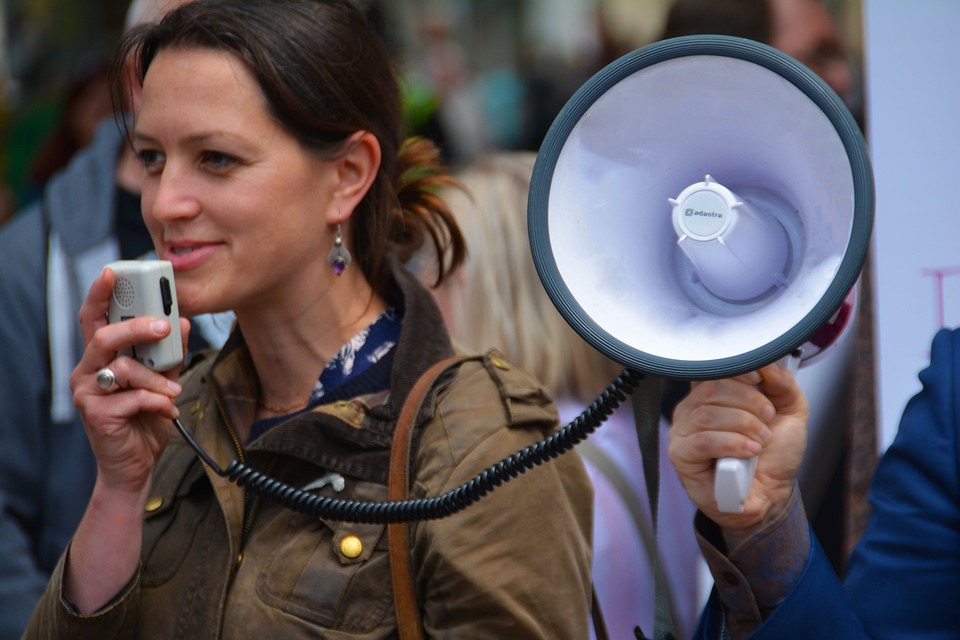
These are exciting times in the world of education. Especially in my own field of economics, there is a distinct whiff of revolution in the air as students engage in sit-in protests, occupations and demonstrations against what is being offered to them in the classroom.

However, to date the object of the students’ dissatisfaction has tended to be limited to the curriculum. The unspoken assumption here is that it will be sufficient to replace one set of textbooks with another for everything to be OK again. This seems to me to be a superficial analysis of what lies at the root of the dysfunctions of today’s educational system.
This is not to deny the importance of curricular concerns; it is indeed both absurd and obscene that teaching in most faculties continues to be dominated by neoliberal, free market economics. However, I am increasingly persuaded that the greater transformative potential resides less in what than in how we teach – that is, in the domain of pedagogy.
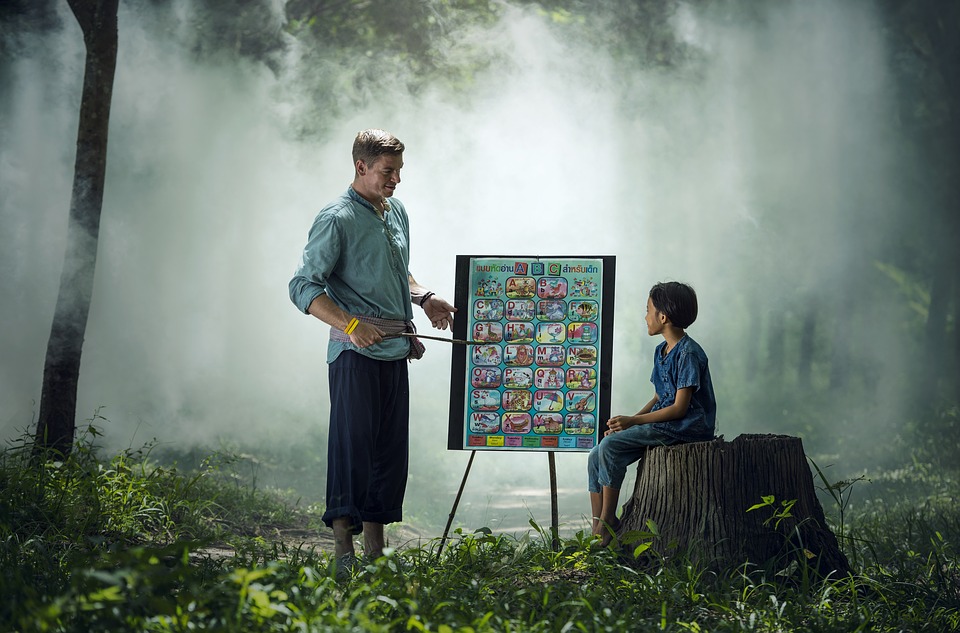
Underpinning currently dominant educational practice lie a series of assumptions about how we learn that are contradicted by a growing body of scientific evidence, as well as by our common sense. These include the notion that there is a largely fixed body of knowledge to be transmitted by the expert teacher to largely passive students (who are asked to regurgitate this knowledge in end-of-course exams); that cognition is the only legitimate form of knowledge and the intellect the only valid learning faculty; and that learning is primarily an individual rather than a community-based activity.

Together, such hidden assumptions have tied us into a formal education system that deadens our innate curiosity, denies our need for collaboration and distances ourselves from our true natures and from the other-then- human world which we are trained to see in purely instrumental terms. Given all this, it is timely that the Washington DC think-tank, the WorldWatch Institute, has decided to devote its 2017 State of the World report to the theme of education, charting myriad generative trends and innovations in the field. Here is a link to the chapter I have contributed to the year-book that focuses on pedagogical innovation.
Sparking An Education Revolution
The above article can be found in Heads, Hearts and Hands – a newsletter from Schumacher College in England. It is worth reading and I hope they won’t mind me sharing it – and that you will find it interesting.
ICPPD supports experiential learning and the lived classroom experience of its adult learners and the meaning of the word, “educare” which is to draw out the deep understanding of the knowledge that springs from within. See www.icppd.com for details of all courses commencing autumn 2017.
You also might like to sign our mailing list to receive ICPPD’s monthly Encounter Newsletter.